- Tenant insurance protects stored belongings against covered events such as fire, theft, vandalism, and certain types of water damage, helping tenants recover financially after unexpected losses.
- For self-storage operators, tenant insurance reduces liability, supports compliance, and can create recurring revenue opportunities.
- Coverage varies by policy, making it important to understand covered perils, exclusions, coverage limits, and claims requirements before selecting a program.
- Choosing a provider with dedicated self-storage expertise ensures better claims support, stronger operational guidance, and insurance solutions tailored to storage facilities.
- SBOA Insurance specializes exclusively in self-storage, offering purpose-built insurance programs backed by industry expertise, dedicated account management, and award-winning tenant insurance solutions.
More than 75% of nearly 100 self-storage facilities analyzed in a recent Nashville investigation reported theft, robbery, burglary, or holdup within a single year. While self-storage facilities prioritize security, unexpected events can still put tenants’ belongings and facility operations at risk.
That’s where tenant insurance comes in.
For tenants, tenant insurance provides financial protection for stored belongings in the event of a covered loss. For self-storage operators, it offers far more than peace of mind. A well-designed program can reduce liability, improve tenant participation, support compliance, and even create an additional revenue stream.
Built by self-storage owners for self-storage owners, SBOA Insurance has spent more than a decade helping facilities protect tenants and strengthen operations with purpose-built insurance solutions.
This guide covers everything you need to know about tenant insurance, from coverage and claims to choosing the right program for your facility.
What Is Tenant Insurance?
Tenant insurance is a policy that protects a tenant’s stored belongings against covered losses while they’re kept in a self-storage unit. It can help cover damage or loss from events such as fire, theft, vandalism, wind, and other covered perils, providing tenants with financial protection beyond the facility’s physical security.
Many people assume their homeowners’ or renters’ insurance fully covers items in storage. While these policies may offer limited off-premises coverage, it’s often restricted to a small percentage of the total personal property limit and may not fully protect valuable belongings or certain risks, such as floods.
That’s why reviewing your existing coverage or purchasing dedicated tenant insurance is often the smarter choice.
How Does Tenant Insurance Work?
Getting tenant insurance is simple. Tenants can enroll when renting a storage unit or at any time during their lease. A typical policy outlines:
- Coverage limits
- Covered perils
- Exclusions
- Claims process
- Policy terms and conditions
If a covered loss occurs, the tenant files a claim, submits supporting documents, and the insurer reviews it under the policy’s coverage.
Today, many tenant insurance providers simplify this process with online claims submission, digital documentation, and dedicated customer support. SBOA Insurance further streamlines the experience through a structured claims process that supports both tenants and facility operators from claim submission to resolution.
Who Should Consider Tenant Insurance?
Although anyone renting a storage unit can benefit from coverage, tenant insurance becomes especially valuable for individuals or businesses storing:
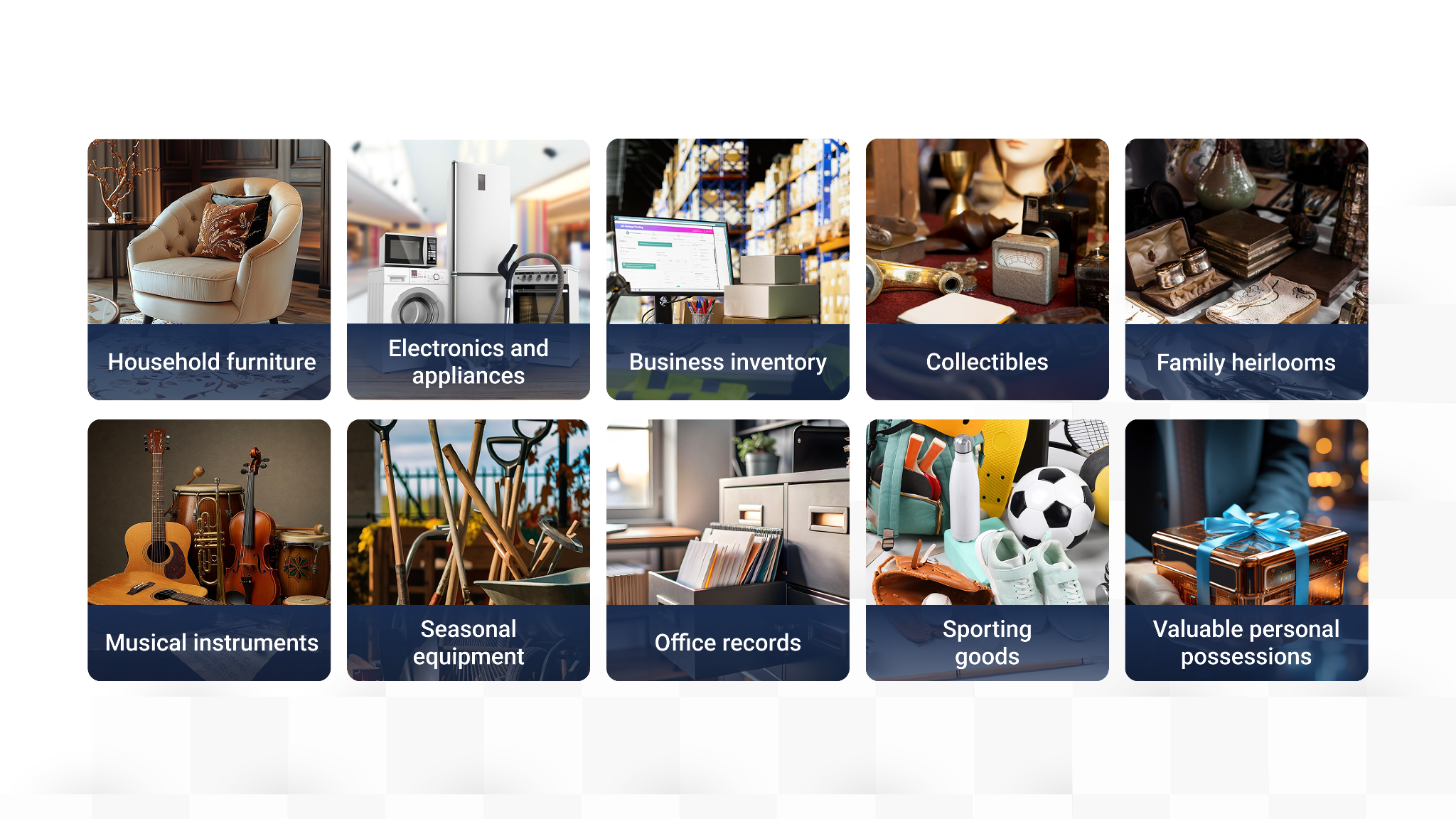
- Household furniture
- Electronics and appliances
- Business inventory
- Collectibles
- Family heirlooms
- Musical instruments
- Seasonal equipment
- Office records
- Sporting goods
- Valuable personal possessions
The longer belongings remain in storage, the greater the importance of having appropriate insurance protection. Even facilities equipped with surveillance systems, gated access, and climate-controlled units cannot eliminate every potential risk.
For self-storage operators, recommending tenant insurance isn’t simply about offering another service. It’s about helping tenants make informed decisions while creating a safer, more professionally managed storage environment.
Tenant Insurance vs. Commercial Property Insurance
Although both policies protect against financial loss, they serve different purposes.
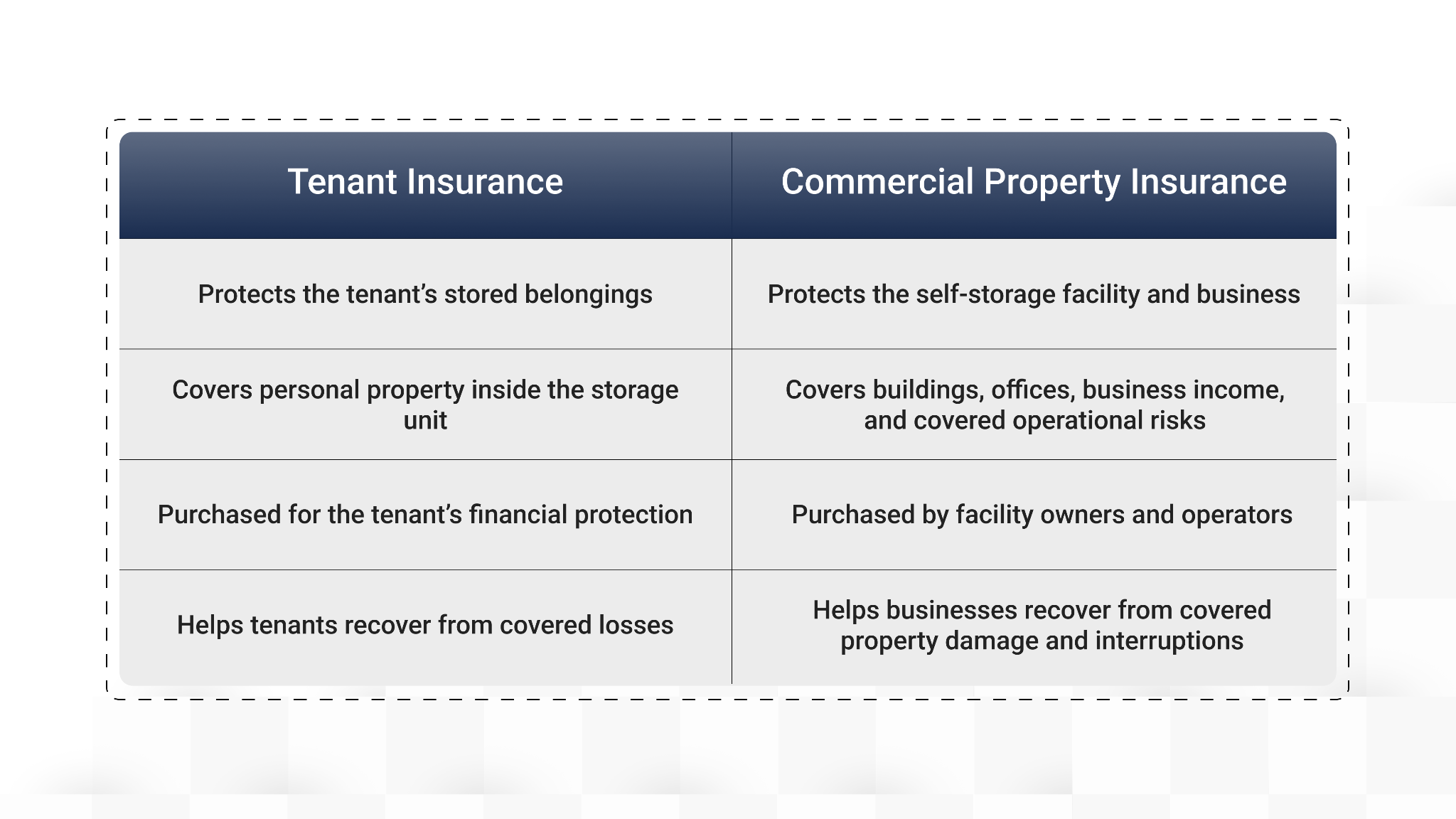
Tenant insurance protects what’s inside the storage unit, while Commercial Property Insurance protects the facility itself. Together, they create a comprehensive risk management strategy for both tenants and self-storage operators.
Benefits of Tenant Insurance
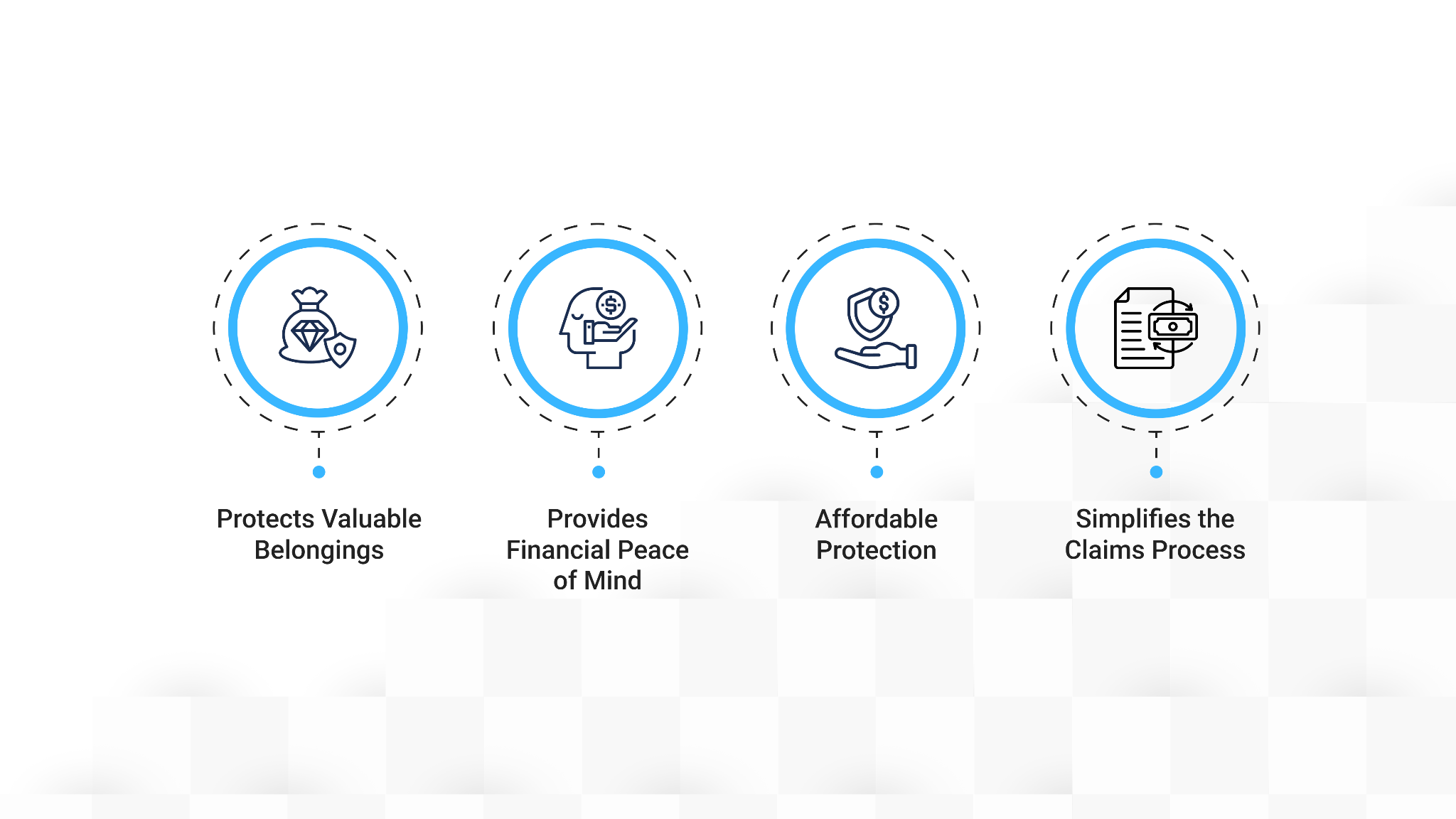
Tenant insurance creates value for everyone involved in the self-storage experience. While tenants gain financial protection for their belongings, facility owners and operators benefit from reduced risk, stronger customer relationships, and improved business performance.
For Tenants
- Protects Valuable Belongings: From furniture and electronics to business inventory and family heirlooms, tenant insurance helps cover eligible losses resulting from events such as fire, theft, vandalism, and certain types of water damage.
- Provides Financial Peace of Mind: Knowing stored belongings are protected allows tenants to focus on life’s transitions, whether they’re moving, downsizing, renovating, or storing business inventory, without worrying about unexpected financial losses.
- Affordable Protection: Compared to the cost of replacing valuable possessions, tenant insurance offers an affordable way to safeguard stored items and avoid significant out-of-pocket expenses.
- Simplifies the Claims Process: Modern tenant insurance programs provide digital claims submission, dedicated support, and faster claim resolution, making it easier for tenants to recover after a covered loss.
For Self-Storage Owners & Operators
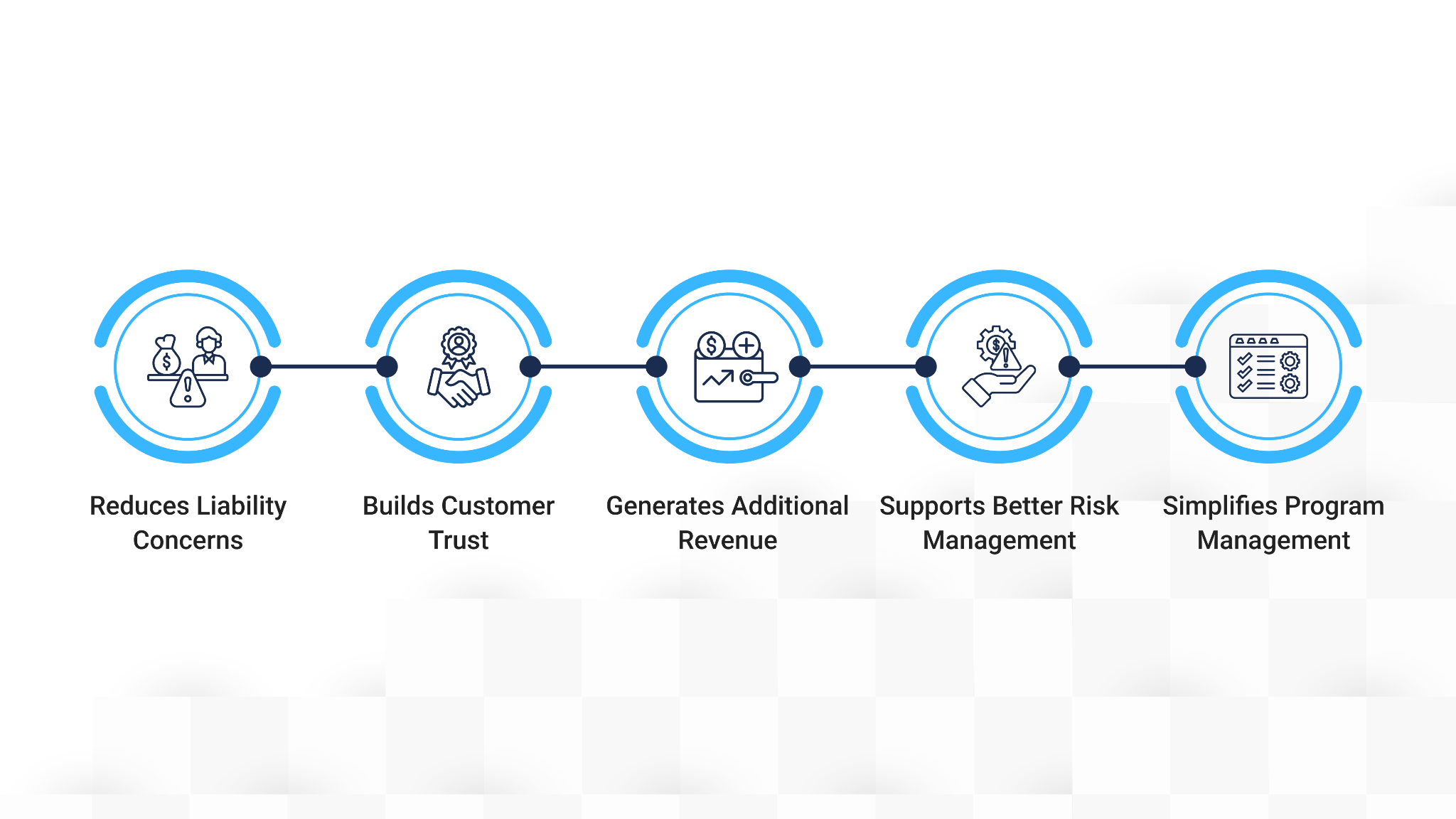
- Reduces Liability Concerns: Offering tenant insurance helps clarify responsibility for stored belongings, reducing disputes and strengthening risk management.
- Builds Customer Trust: Providing insurance alongside storage demonstrates a commitment to protecting tenants and creates a more professional, customer-focused experience.
- Generates Additional Revenue: Many tenant insurance programs generate recurring revenue while delivering genuine value to tenants, helping facilities diversify their income streams.
- Supports Better Risk Management: When paired with commercial property insurance, tenant insurance forms part of a comprehensive protection strategy for both the facility and its tenants.
- Simplifies Program Management: Purpose-built solutions like SBOA Fortified Tenant Insurance streamline enrollment, claims, compliance, and account management, reducing administrative work while supporting long-term growth.
What Does Tenant Insurance Cover?
One of the most common questions tenants ask is, “What exactly does tenant insurance cover?” While coverage varies by policy, most tenant insurance plans are designed to protect stored belongings against unexpected events that could cause financial loss.
Understanding what’s covered before purchasing a policy helps tenants make informed decisions and minimizes surprises if they ever need to file a claim.
A tenant insurance policy typically protects against specific covered perils, also known as insured causes of loss. These are events identified within the policy that may qualify for reimbursement if they result in damage to stored belongings.
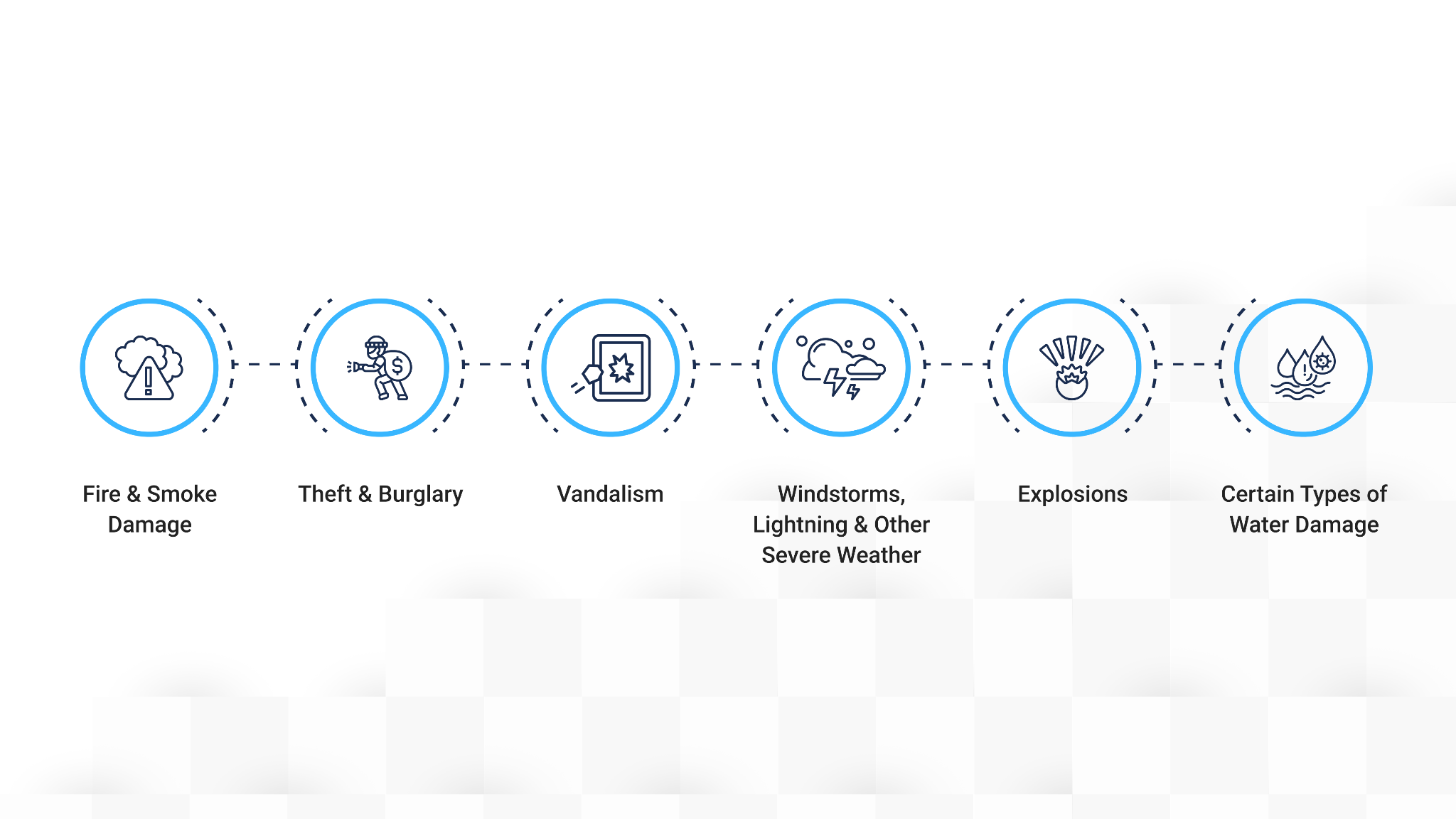
While every policy is different, common covered perils often include:
Fire & Smoke Damage
Fire is one of the most significant risks for stored property. Most tenant insurance policies help cover eligible losses from accidental fires, including smoke damage, that can affect furniture, electronics, clothing, documents, and other personal belongings.
Theft & Burglary
Although self-storage facilities invest in security features such as gated access, surveillance cameras, and electronic entry systems, theft can still occur. Tenant insurance helps reimburse eligible losses if stored belongings are stolen during a covered burglary.
Vandalism
Intentional damage to stored property can result in costly repairs or replacements. Many tenant insurance policies include protection against vandalism, helping tenants recover after covered incidents.
Windstorms, Lightning & Other Severe Weather
High winds, hail, lightning, and other severe weather events can damage both storage facilities and the belongings inside them. Depending on the policy, tenant insurance may help cover eligible losses resulting from these events.
Explosions
Although uncommon, explosions can cause extensive damage to stored property. If the event is covered under the policy, tenant insurance may help pay for eligible repair or replacement costs.
Certain Types of Water Damage
Water damage is one of the most misunderstood aspects of tenant insurance. Many policies cover water damage resulting from sudden, accidental events such as:
- Burst pipes
- Fire suppression systems
- Plumbing failures
- Certain accidental leaks
However, not all types of water damage are automatically covered. Flooding caused by rising groundwater or natural flooding events often requires separate consideration and may be excluded depending on the policy.
Understanding these distinctions helps tenants avoid unpleasant surprises during the claims process.
What Types of Belongings Are Typically Protected?
Another common misconception is that tenant insurance only covers furniture. In reality, many policies protect a wide variety of personal and business property stored inside a unit.
Common examples include:
- Household Furniture: From sofas and dining tables to mattresses and bedroom furniture, replacing household items after a covered loss can be extremely expensive. Tenant insurance helps reduce that financial burden.
- Electronics: Televisions, gaming systems, laptops, desktop computers, cameras, speakers, and other electronic devices often represent thousands of dollars in value. Protecting these investments is one of the primary reasons many tenants purchase tenant insurance.
- Clothing & Personal Belongings: Seasonal wardrobes, shoes, handbags, sports equipment, camping gear, and everyday personal items can quickly add up to significant replacement costs. Even if individual items seem inexpensive, replacing everything at once after a covered loss can become financially overwhelming.
- Business Inventory: Many entrepreneurs and small businesses use self-storage facilities to house inventory, promotional materials, office supplies, tools, and equipment.
For these tenants, tenant insurance provides valuable protection that helps support business continuity after covered events.
Collectibles & Sentimental Items
Family heirlooms, artwork, antiques, collectibles, musical instruments, and memorabilia often hold both financial and emotional value.
While certain high-value items may require additional consideration or specific policy endorsements, tenant insurance offers important protection for many valuable personal possessions.
Seasonal Equipment
Holiday decorations, patio furniture, lawn equipment, bicycles, sporting goods, and recreational gear often spend months inside storage units.
Without insurance, replacing these items after an unexpected loss could become a considerable expense.
What Are Coverage Limits?
Every tenant insurance policy includes coverage limits. A coverage limit is the maximum amount the insurer may pay for covered losses under the policy.
Choosing the appropriate limit depends on the total value of the belongings being stored.
For example, someone storing a few pieces of furniture may require significantly less coverage than a business storing thousands of dollars in inventory.
One of the most common mistakes tenants make is underestimating the value of everything inside their storage unit.
Consider adding together the replacement cost of:
- Furniture
- Electronics
- Clothing
- Appliances
- Collectibles
- Office equipment
- Seasonal items
- Business inventory
Many people are surprised to discover their stored belongings are worth far more than they initially assumed. Conducting a simple inventory before selecting tenant insurance helps ensure adequate protection in the event of a covered loss.
Worth noting: One of the biggest reasons claims are delayed isn’t because coverage is unavailable; it’s because policyholders struggle to document what was inside the unit. Taking photos before moving items into storage and maintaining a simple inventory can save considerable time if you ever need to file a claim.
Pro Tip: Store this information securely in a digital location. Having your inventory readily accessible ensures you can document losses quickly and accurately.
Choose a Tenant Insurance Provider That Understands Self-Storage
Not all tenant insurance programs offer the same level of protection or support. When comparing providers, look beyond covered perils and evaluate:
- Coverage flexibility
- Claims support
- Simple enrollment
- Policy transparency
- Dedicated customer service
- Self-storage industry expertise
For self-storage operators, partnering with a provider that specializes in the industry can simplify program management, improve tenant participation, and deliver ongoing support. Purpose-built solutions, like those offered by SBOA Insurance, are designed specifically for self-storage operations, combining comprehensive coverage with industry expertise and dedicated account management.
What Isn’t Covered by Tenant Insurance?
While tenant insurance protects against many unexpected events, it doesn’t cover every type of loss. Understanding common exclusions helps tenants set realistic expectations and avoid surprises during the claims process. Although coverage varies by policy, most tenant insurance programs exclude the following:
Floods & Certain Types of Water Damage
Most policies cover sudden and accidental water damage, such as burst pipes or fire sprinkler discharge. However, damage caused by natural flooding, storm surges, or rising groundwater is typically excluded and may require separate coverage.
Wear and Tear, Mold & Pest Damage
Tenant insurance generally doesn’t cover damage resulting from gradual deterioration or poor storage conditions, including:
- Normal wear and tear
- Rust or corrosion
- Mold and mildew
- Long-term humidity exposure
- Damage caused by rodents, insects, or other pests
However, some specialized self-storage tenant insurance programs, including those offered by SBOA Insurance, provide limited coverage for mold, mildew, and rodent damage, subject to applicable policy terms and sublimits.
To reduce these risks, store belongings in sealed containers, avoid packing damp items, and consider climate-controlled units for sensitive valuables.
Negligence & Improper Storage
Insurance is intended to cover accidental losses, not preventable damage caused by improper storage practices. Claims may be denied if damage results from:
- Improper packing
- Using damaged storage containers
- Failing to protect fragile or valuable items
- Neglecting reasonable care when storing belongings
Intentional or Illegal Acts
Most tenant insurance policies exclude losses resulting from intentional damage, illegal activities, or the storage of prohibited items in the unit, such as hazardous materials, stolen property, or other restricted goods.
If tenants plan to store items with substantial value, they should review their tenant insurance policy carefully and discuss available options with their insurance provider to ensure adequate protection.
Common Reasons a Claim May Be Delayed
Even when a loss is covered, the claims process can take longer if important information is missing. To help ensure a smoother experience, avoid these common mistakes:
- Delaying claim reporting: Report the loss as soon as possible so the insurer can investigate while the evidence is still available.
- Incomplete documentation: Keep photos, receipts, inventory lists, and proof of ownership to help verify your claim quickly.
- Incorrect or missing information: Submit accurate and complete details to avoid unnecessary follow-ups or delays.
How Tenants Can Reduce the Risk of Uncovered Losses
While tenant insurance offers valuable financial protection, prevention remains the first line of defense.
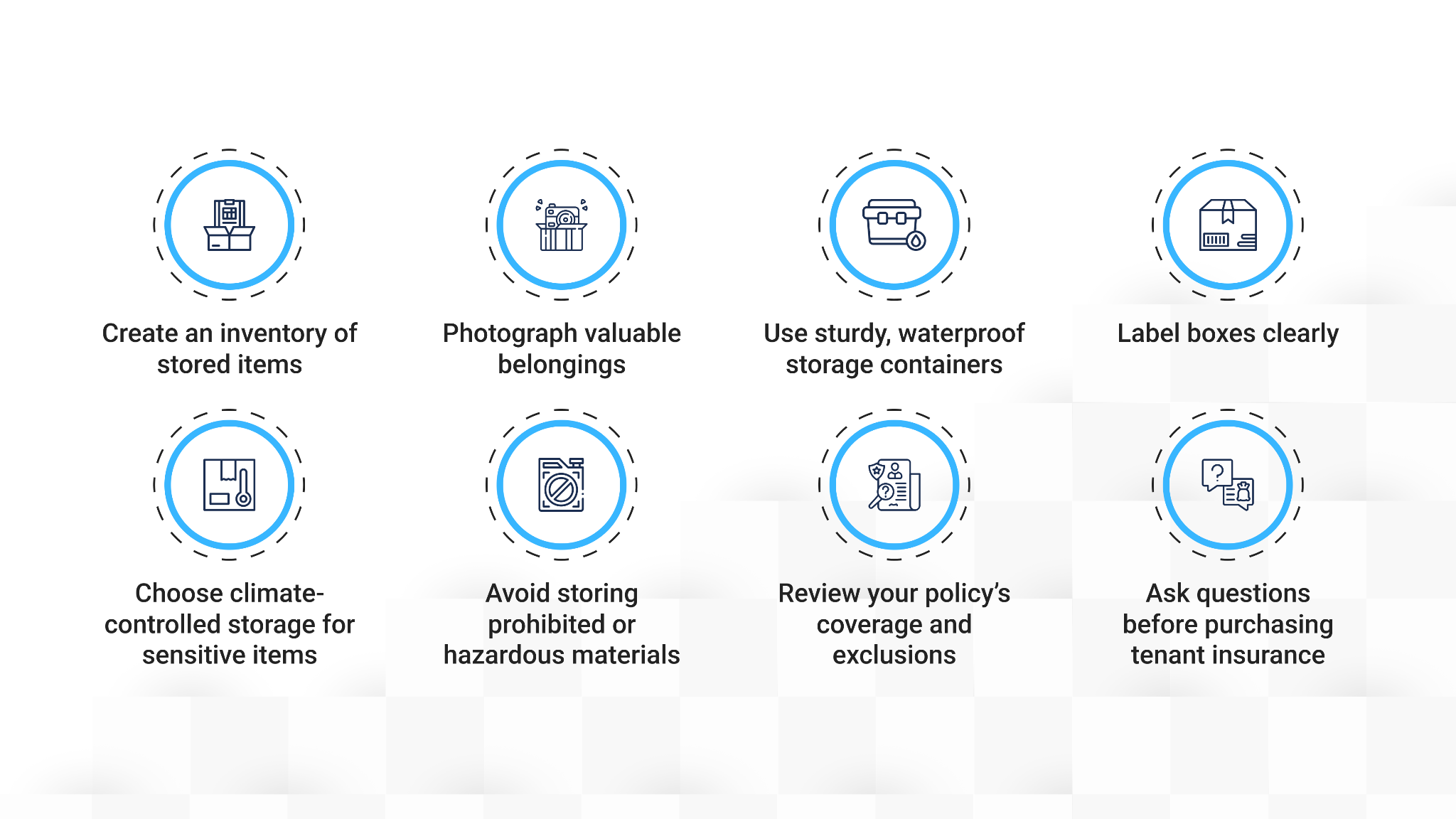
Tenants can help protect their belongings by following the checklist below:
- Create an inventory of stored items
- Photograph valuable belongings
- Use sturdy, waterproof storage containers
- Label boxes clearly
- Choose climate-controlled storage for sensitive items
- Avoid storing prohibited or hazardous materials
- Review your policy’s coverage and exclusions
- Ask questions before purchasing tenant insurance
For self-storage operators, providing educational resources alongside tenant insurance helps tenants make better decisions while strengthening trust and satisfaction throughout the rental experience.
How Tenant Insurance Claims Work
Even with the best precautions, unexpected events can happen. When they do, tenant insurance provides a structured claims process to help tenants recover from covered losses quickly and efficiently. Most providers, including SBOA Insurance, offer online claims submission and dedicated support to simplify the experience for both tenants and facility operators.
When Should You File a Claim?
File a tenant insurance claim as soon as possible after a covered loss, including:
- Fire or smoke damage
- Theft or burglary
- Vandalism
- Covered water damage
- Windstorms or lightning
- Other covered perils listed in your policy
Prompt reporting helps preserve evidence and speeds up the claims process.
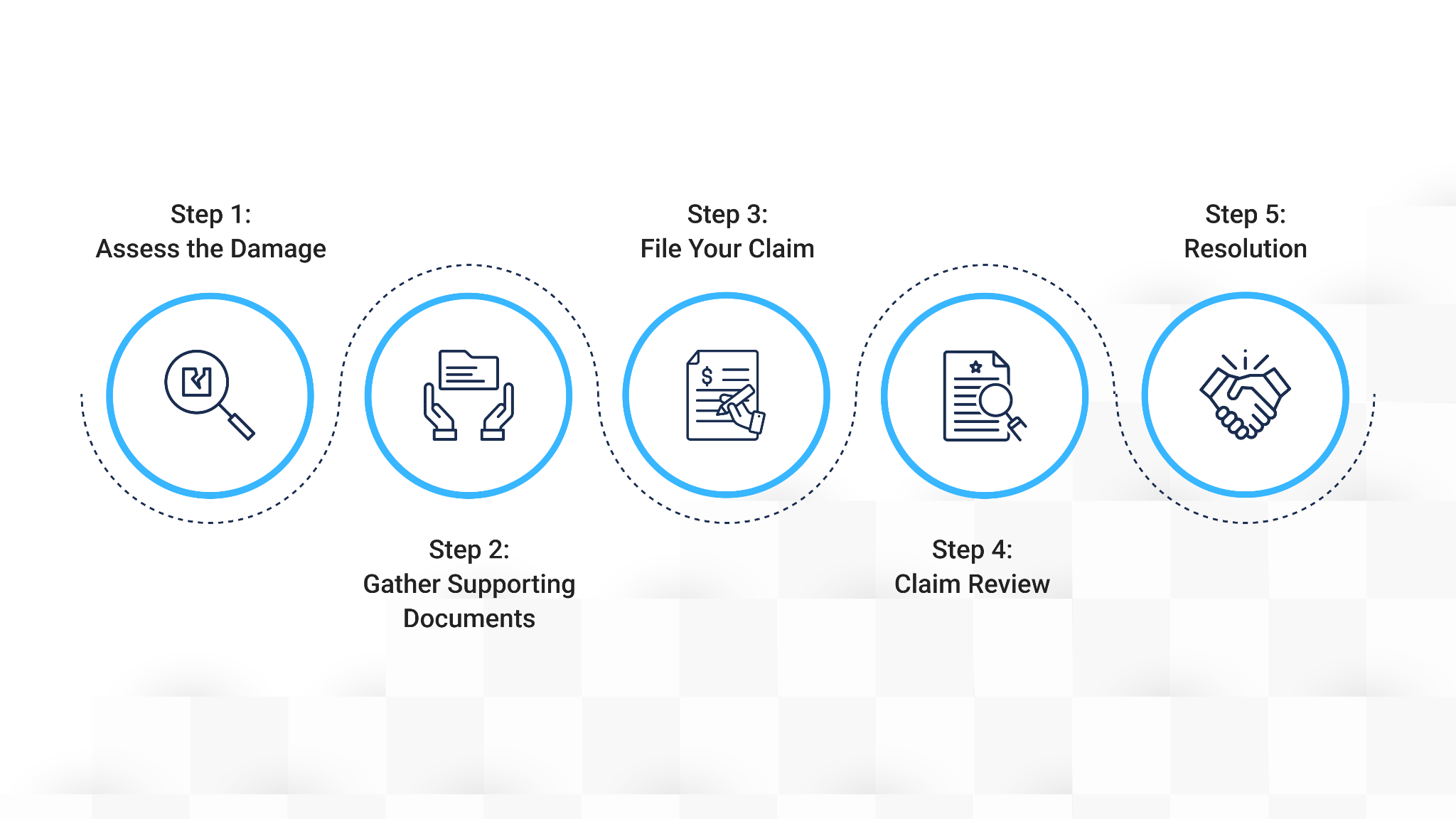
The Tenant Insurance Claims Process
-
Step 1: Assess the Damage
Inspect the storage unit and identify any damaged, destroyed, or missing belongings. Avoid discarding damaged items until instructed by your insurer. -
Step 2: Gather Supporting Documents
Collect documentation that supports your claim, such as photos of the damage, inventory of affected items, purchase receipts or proof of ownership, estimated replacement values, and police or incident reports if applicable. -
Step 3: File Your Claim
Notify your insurance provider and submit the required documentation. Many tenant insurance providers, including SBOA Insurance, offer convenient online claims submission for faster processing. -
Step 4: Claim Review
The claims team reviews the incident, verifies coverage, evaluates the documentation, and may request additional information if needed. -
Step 5: Resolution
Once approved, reimbursement is processed in accordance with your policy’s coverage limits, deductibles, and terms.
Expert Tip: Maintain an updated inventory with photos and receipts before placing items in storage. Good documentation can significantly speed up the claims process.
Choose the Right Tenant Insurance Partner
A tenant insurance program is only as strong as the provider behind it. Beyond coverage, the right partner should simplify administration, deliver responsive claims support, and understand the operational realities of self-storage.
When evaluating a provider, look for:
- Self-storage industry expertise
- Flexible coverage options
- Transparent policy terms
- Simple enrollment and claims submission
- Dedicated customer support
- Ongoing account management
For self-storage operators, working with a specialist can reduce administrative effort while improving the tenant experience. Purpose-built providers like SBOA Insurance combine comprehensive coverage with industry expertise, dedicated account management, and tools designed specifically for self-storage operations.
Through its centralized Client Portal, SBOA Insurance enables operators to manage facility information, upload claim documentation, report incidents, and access program resources from a single platform, streamlining day-to-day administration and improving communication throughout the claims process.
Strengthen Your Self-Storage Business with SBOA Tenant Insurance
Tenant insurance is more than a safeguard for stored belongings. It helps self-storage operators reduce risk, improve tenant confidence, simplify program management, and create long-term business value.
At SBOA Insurance, our tenant insurance solutions are purpose-built for the self-storage industry, combining comprehensive coverage, streamlined claims, dedicated support, and decades of industry expertise.
Whether you’re launching a new tenant insurance or improving an existing one, we’ll help you build a solution that protects your tenants and supports your business goals.
And discover how the right tenant insurance program can strengthen your self-storage business.